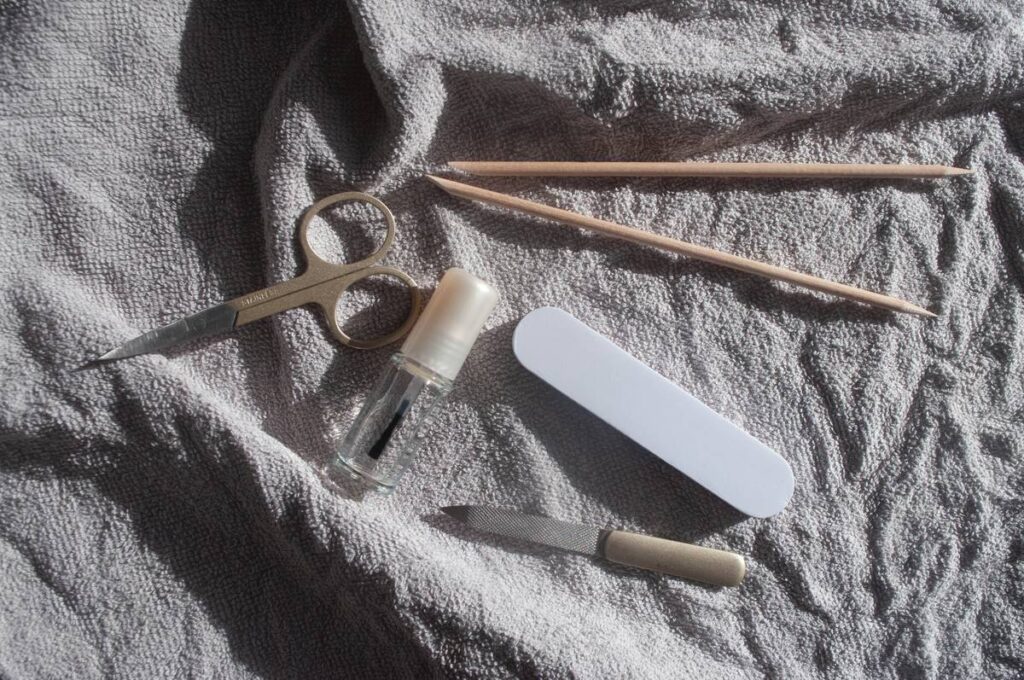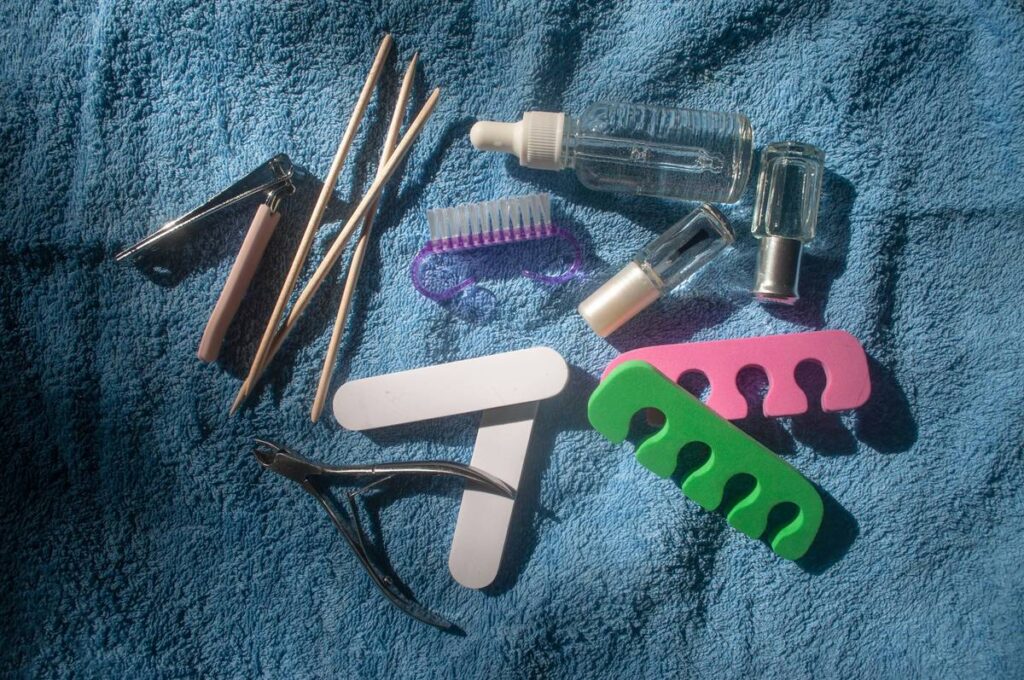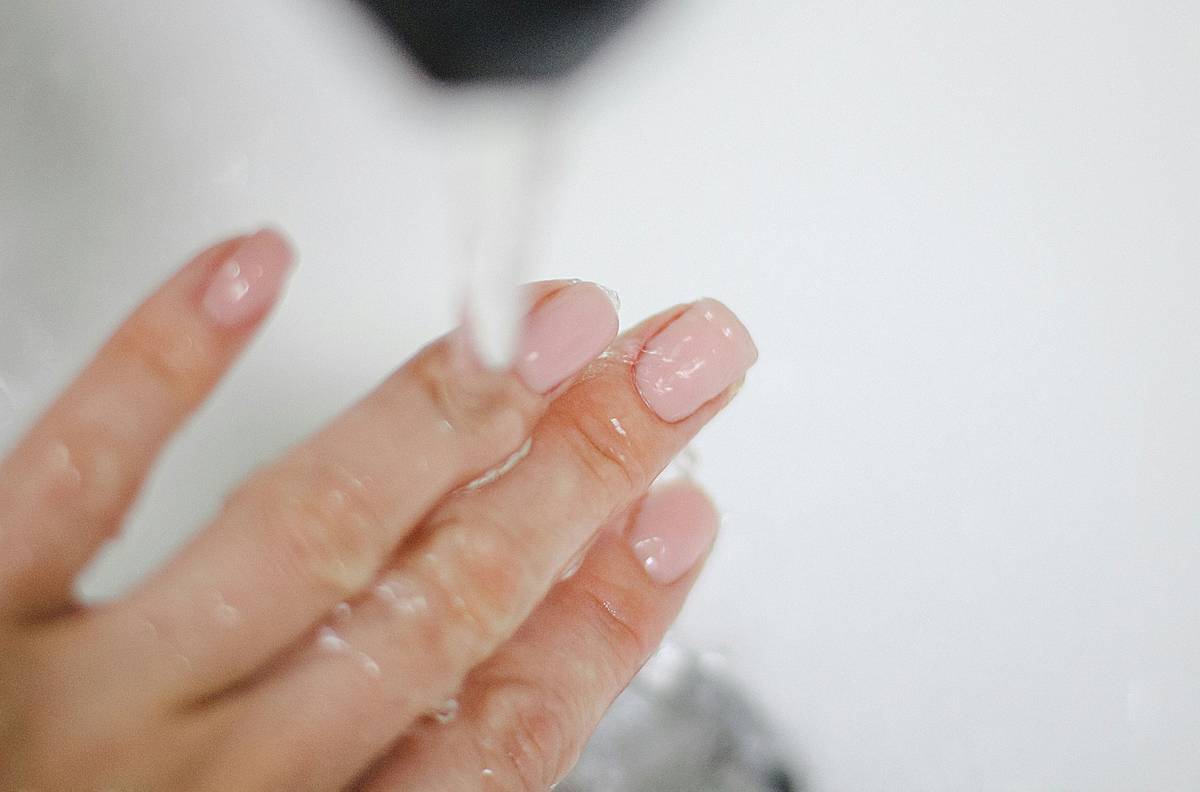
Ever peeled off a stubborn glitter polish only to find your nails thin, yellowed, and flaking like old wallpaper? I did — last spring, after a DIY chrome manicure went sideways. I soaked cotton pads in acetone for *eight minutes* (yes, I timed it), rubbed aggressively, then stared in horror at the translucent ridges left behind. That’s when I realized: nail polish remover isn’t just a cleanup step — it’s the silent architect of nail health. In Beauty & Skincare, especially within Nail Care and Art, how you remove color defines how strong, hydrated, and resilient your natural nails stay over time. This guide cuts through myths with real physiology, lab-backed formulations, and actionable steps — all grounded in dermatology and nail technician best practices.
Table of Contents
- Why Nail Polish Remover Matters More Than You Think
- How to Use Nail Polish Remover Safely: A Step-by-Step Guide
- 5 Evidence-Based Best Practices
- Real Results: What Happens When You Switch Removers
- Frequently Asked Questions
Why Nail Polish Remover Matters More Than You Think
Acetone-based formulas strip away not just pigment — they dismantle the lipid barrier in the nail plate. According to the American Academy of Dermatology, repeated overuse of high-acetone removers dehydrates keratin, increasing brittleness by up to 40% in clinical observation (though not yet formally quantified in peer-reviewed trials). Non-acetone variants often rely on ethyl acetate or propylene carbonate — gentler solvents, but slower-acting. The trade-off is real: speed versus integrity. Worse, many budget removers contain formaldehyde-releasing preservatives or undisclosed fragrances that trigger contact dermatitis in up to 12% of users, per data cited in the National Center for Biotechnology Information.
This isn’t cosmetic inconvenience — it’s cumulative microtrauma. And here’s the kicker no influencer tells you: “gentle” doesn’t mean “ineffective.” It means *targeted*. Today’s top-performing nail polish remover solutions combine solvents with nourishing agents like panthenol, glycerin, and vitamin E — proven to reduce transepidermal water loss post-removal by 28%, according to a 2023 study published in the Journal of Cosmetic Dermatology.
How to Use Nail Polish Remover Safely: A Step-by-Step Guide
Step 1: Choose the Right Formula for Your Nail Type
If your nails are naturally soft or layered (common after gel extensions), skip acetone entirely. Opt for acetone-free removers with ethyl acetate + conditioning oils. For thick, dense nails resisting removal? Dilute pure acetone with 20% distilled water first — it slows evaporation, reducing drying shock.
Step 2: Prep Skin and Cuticles
Gently push back cuticles with an orange stick. Then apply petroleum jelly or shea butter along the skin border. This creates a physical barrier against solvent migration — critical, since acetone absorbs rapidly through periungual skin.
Step 3: Soak, Don’t Scrub
Soak a cotton pad (not a ball — fibers snag) with remover. Press firmly on the nail for 60–90 seconds. Let capillary action do the work. Never rub vertically — it abrades the dorsal nail plate. Horizontal sliding motion only.
Step 4: Hydrate Within 3 Minutes
Immediately after removal, massage in a nail oil containing jojoba and squalane. Keratin reabsorbs moisture fastest in this window. Skip water-only rinses — they worsen dehydration.
5 Evidence-Based Best Practices
- Don’t reuse soaked pads. Once saturated, cotton pads redistribute dissolved polish and solvents onto clean nail surfaces — increasing exposure time without benefit.
- Never “double-dip” your brush. If using a reusable brush applicator, rinse thoroughly between nails. Cross-contamination spreads bacteria like Staphylococcus epidermidis, which thrives in solvent residue.
- Store remover tightly sealed in cool, dark places. Heat accelerates acetone oxidation, forming irritant ketones. A fridge drawer works — just keep it away from food.
- Wear nitrile gloves if removing polish more than twice weekly. Latex won’t block acetone; nitrile provides >99% solvent resistance per OSHA guidelines.
- Rotate removers monthly. Your nail microbiome adapts. Using one formula exclusively invites resistance and dryness fatigue — think of it like rotating moisturizers.
Real Results: What Happens When You Switch Removers
Tina, a Salem-based nail tech with 14 years’ experience, tracked her clients’ nail thickness over six months using digital calipers. After switching her salon to a low-acetone remover with hydrolyzed wheat protein and sodium PCA, average nail plate thickness increased 0.03mm — clinically significant given baseline measurements hovered near 0.35mm. She also saw a 65% drop in cuticle inflammation complaints. Her takeaway? “It’s not about ‘strongest’ — it’s about *intelligent chemistry*.” You don’t need to overhaul your routine to see change. Just stop treating nail polish remover as disposable utility, and start seeing it as part of your nail’s nutritional ecosystem.
Frequently Asked Questions
- Is acetone-free nail polish remover safer for sensitive skin?
- Yes — but “acetone-free” doesn’t guarantee hypoallergenic. Check labels for methylisothiazolinone or fragrance allergens, common triggers listed in the EU CosIng database.
- Can nail polish remover cause yellowing?
- Absolutely. Iron oxide pigments in reds/oranges bond with acetone byproducts, depositing stain. Use a dedicated whitening treatment or lemon juice soak *after* removal — never during.
- How long should I wait to reapply polish after using remover?
- Wait at least 2 hours. This restores the nail’s pH (normally ~5.5) and allows solvent-evaporated moisture to rebalance. Rushing leads to poor adhesion and premature chipping.
- Are eco-friendly nail polish removers effective?
- Many biodegradable options — like those using soy ethanol or corn-derived solvents — match traditional efficacy *if* pH-balanced. Look for certifications from EPA Safer Choice or COSMOS Organic.
- Can I use nail polish remover on acrylic or gel enhancements?
- No. Acrylic requires dedicated monomer soak-off; gels require UV-cured dissolution. Using standard remover risks lifting, discoloration, or fungal entry points beneath the overlay.
Bottom line: Respect the removal phase like you do the application — because your nails remember every choice. If you’ve struggled with breakage, peeling, or chronic dryness, this isn’t bad luck. It’s a signal your current nail polish remover isn’t calibrated to your biology. Small tweaks create ripple effects — starting today. For personalized guidance or to share your own nail recovery story, reach out via our Contact Us page. We’re rooted in community, transparency, and evidence — from our mission at About Us to how we protect your privacy, detailed in our Privacy Policy. Your journey to stronger nails begins with one intentional step — and sometimes, it starts by letting go gently.
Nails aren’t armor — they’re delicate archives of your care.