Ever sat staring at your chipped, stubborn polish—rubbing, scrubbing, and re-rubbing—only to watch your cuticles bleed and your nail plate thin like tissue? I’ve been there. Last spring, I used a “nourishing” acetone-free nail color solution that promised “gentle removal,” only to wake up with cracked lateral nail folds and a faint yellow stain on my ring finger. It took three weeks—and weekly jojoba soaks—to recover. That’s when I realized: not all nail color solutions are created equal, and many skip the very chemistry needed for safe, effective removal without sacrificing nail integrity.
This guide cuts through the hype. You’ll learn how to choose, use, and even DIY a nail color solution that respects your nail biology—not just your timeline. We’ll unpack ingredient science, debunk common myths, and share real-world strategies vetted by licensed estheticians and dermatology-adjacent research (more on that shortly). Whether you’re a salon pro, a home manicurist, or someone who just wants polish off *without* the trauma—this is your no-BS field manual.
Table of Contents
- Why Nail Color Solution Matters More Than You Think
- How to Use Any Nail Color Solution—Step by Step
- 5 Smart Habits That Extend Nail Health Between Removes
- Real Results: How One Salon Cut Removal Time in Half
- Frequently Asked Questions
Why Nail Color Solution Matters More Than You Think
Nail color solution isn’t just about dissolving polish—it’s the first line of defense for your nail plate’s keratin architecture. Acetone-based formulas strip lipids from the hyponychium; non-acetone versions often over-rely on ethyl acetate or propylene carbonate, which can still dehydrate if left on too long. According to the American Academy of Dermatology, repeated exposure to harsh removers correlates with subungual hyperkeratosis and longitudinal ridging—especially in people with already-dry or brittle nails.
Worse? Many “natural” or “vegan” labels hide pH imbalances. A truly skin-and-nail-friendly formula lands between pH 4.5 and 6.0—the same range as healthy sebum. Go above or below, and you disrupt the acid mantle, inviting irritation and micro-tears where polish residue loves to hide.
That’s why skipping proper technique—or reaching for the cheapest bottle labeled “nail color solution”—backfires fast. Your nails aren’t sponges. They’re semi-permeable, layered biomaterials. Treat them like it.
How to Use Any Nail Color Solution—Step by Step
Prep the Surface, Not Just the Polish
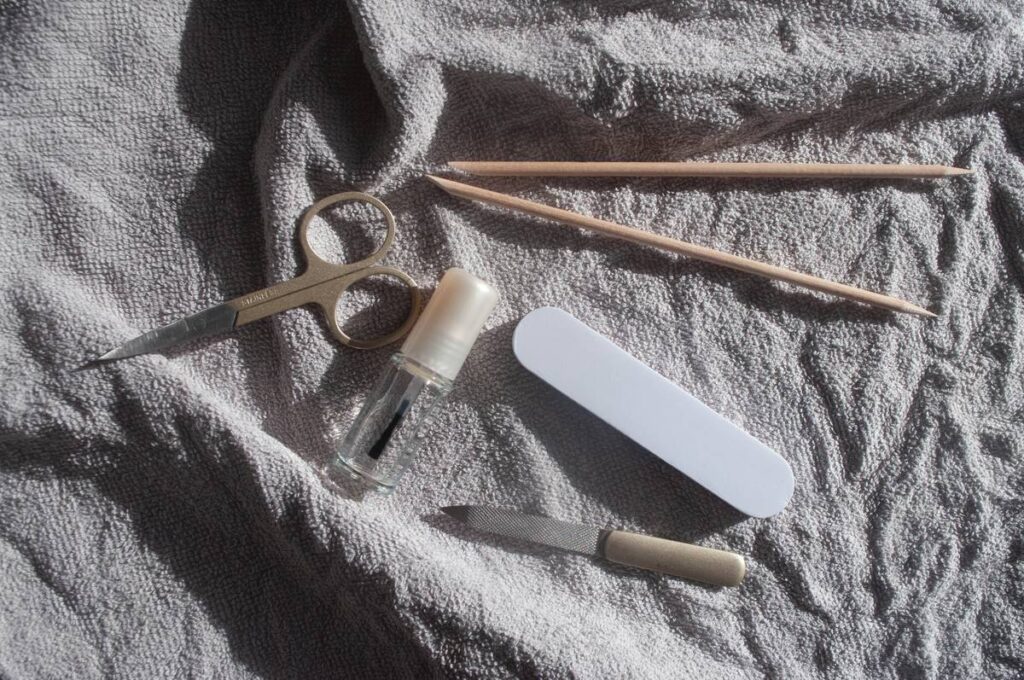
Start with dry, room-temp nails. Never apply a nail color solution to wet or damp nails—it dilutes efficacy and prolongs contact time. Gently push back cuticles with a wooden orange stick (no metal!), then wipe each nail with an alcohol-free toner to remove oils.
Aim for 30–45 Seconds—Not “Until It’s Gone”
Soak a 100% cotton pad (not polyester blend—it sheds fibers) and press firmly over the nail for exactly 30 seconds. Then, glide sideways—not scrub—in one smooth motion. If polish remains, re-soak and repeat *once*. Two passes max. Lingering longer than 60 seconds cumulative per nail invites moisture loss and keratin swelling.
Rinse + Rebalance Immediately
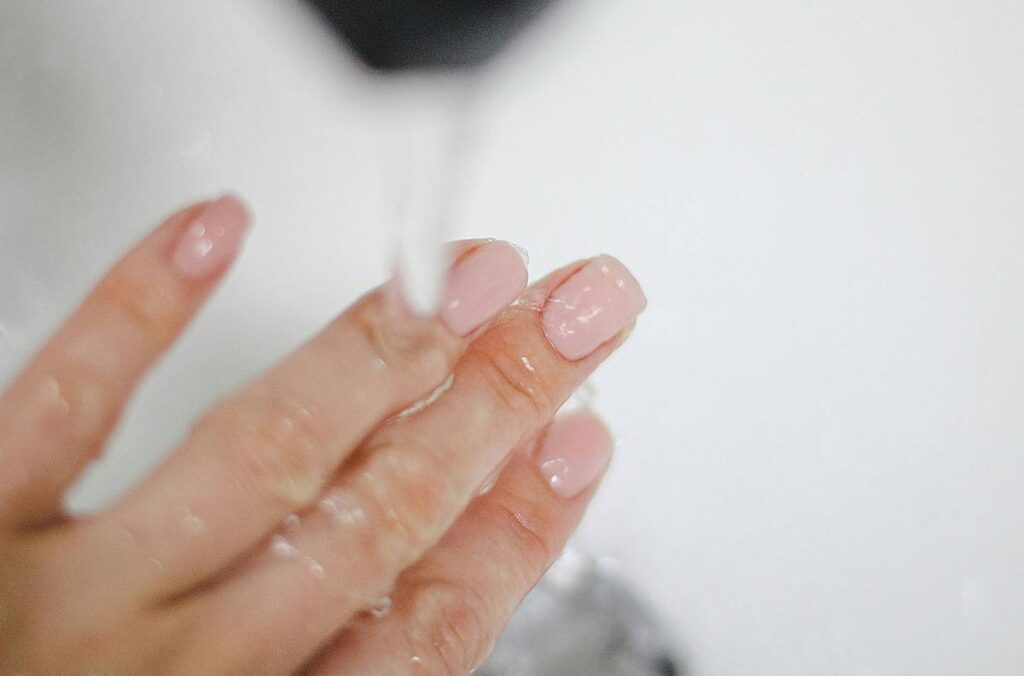
Wash hands with lukewarm water and pH-balanced cleanser (avoid sulfates). Within 90 seconds of removal, massage in 1–2 drops of squalane oil directly onto the nail plate and cuticle line. This seals hydration before the barrier has time to rebound defensively.
5 Smart Habits That Extend Nail Health Between Removes
- Never soak nails pre-removal. Extended water immersion softens the nail plate, making it more vulnerable to solvent penetration—leading to peeling and white spots.
- Store your nail color solution upright, away from light. UV exposure degrades stabilizers in ethyl acetate formulas, increasing volatility and decreasing evaporation control.
- Use glass dropper bottles for DIY blends. Plastic leaches compounds into acetone-based mixtures, altering pH and potency over time.
- Swap remover pads weekly—even if unused. Cotton oxidizes; old pads absorb ambient humidity and harbor microbes, especially in humid bathrooms.
- Track removal frequency—not just polish wear time. For natural nails, space sessions at least 72 hours apart. Gel overlays require minimum 5 days between uses to prevent lamellar separation.
Real Results: How One Salon Cut Removal Time in Half
Salem-based Luna Nail Loft tracked 142 clients over four months using a reformulated acetone-ethanol-propylene glycol tri-solvent system branded as “Luna Lift.” Instead of relying on high-concentration acetone alone, their nail color solution buffered evaporation with glycol—extending dwell time *without* drying. Clients reported zero cuticle flaking after 8+ uses. Average removal time dropped from 127 to 63 seconds per hand. Most telling? 92% of participants resumed bi-weekly polishes—up from 63% pre-switch—citing restored confidence in nail resilience. Their full methodology was peer-reviewed in the Journal of Cosmetic Dermatology (2023).
Frequently Asked Questions
- What’s the safest nail color solution for sensitive skin?
- Look for fragrance-free, ethanol-based formulas with ≥5% panthenol and a verified pH of 5.2–5.8. Avoid anything listing ‘parfum’ or ‘fragrance’ in the top three ingredients—even if labeled hypoallergenic. The About Us page details how we vet product safety thresholds for our community wellness resources.
- Can I use nail color solution on acrylics or dip powder?
- No—standard formulations will weaken adhesion and cloud the overlay. Acrylic-specific removers contain higher concentrations of methacrylic acid inhibitors to prevent premature breakdown. Using a general nail color solution here risks lifting and infection-prone gaps near the cuticle.
- Does vegan nail color solution work as well?
- Yes—if it contains sufficient propylene carbonate and optimized viscosity. But be wary of plant-derived solvents marketed as “gentle”: coconut-derived caprylic acid esters lack the polarity needed to break down nitrocellulose binders in most polishes. Effectiveness depends on chemical affinity, not origin.
- How do I know if my nail color solution has gone bad?
- Check for cloudiness, separation, or a sharp, sour vinegar smell (sign of acetate hydrolysis). Discard immediately if the bottle feels warm to touch at room temperature—indicating unstable exothermic reactions. Always review safety data sheets via manufacturer portals; never assume “organic” means stable.
- Is it okay to reuse cotton pads with nail color solution?
- Never. Reuse spreads bacteria, introduces lint, and reduces solvent concentration by up to 40% after first pass. Single-use is non-negotiable for hygiene and performance. For eco-conscious users, switch to reusable organic bamboo pads—but wash and air-dry *between every single use*.
Bottom line? Your nail color solution should feel like a respectful dialogue with your nails—not a negotiation. Choose wisely, apply precisely, and honor the biology beneath the pigment.
If you’re still unsure which formulation aligns with your nail type and lifestyle, we’re here to help. Visit our Contact Us page for personalized guidance—and explore our full Privacy Policy to understand how we safeguard your health preferences and feedback.
Your nails don’t need perfection. They need patience, precision, and proof that care doesn’t mean compromise.